Key Takeaways for ITAR-Compliant Military CNC Work
- ITAR compliance shapes every aspect of military CNC operations, from DDTC registration and US-person access controls to secure facilities and AS9100D-certified quality systems.
- Leading US ITAR-compliant shops include Precision Advanced Manufacturing, BTD Manufacturing, Primus Aerospace and others with documented defense manufacturing experience.
- Effective vetting relies on a structured checklist that covers DDTC registration, certifications, security controls, traceability systems and scalable production capacity.
- Precision Advanced Manufacturing combines dual ITAR-registered facilities, multi-axis CNC machining, integrated services and prototype-to-production scalability for defense programs.
- For mission-critical defense components, connect with Precision Advanced Manufacturing to support compliant, on-time delivery.
ITAR Rules That Shape Military CNC Machine Shops
The International Traffic in Arms Regulations (ITAR, 22 CFR Parts 120-130) govern how defense-related technology and materials can be manufactured and shared. The U.S. Department of State’s Directorate of Defense Trade Controls enforces these regulations and controls the manufacture, export and transfer of defense articles on the United States Munitions List. CNC machine shops that work with military components operate under strict ITAR-driven requirements.
CNC machine shops face operational controls that span security, quality systems and documentation. To maintain ITAR compliance, shops must implement all of the following measures:
- DDTC registration
- US citizen-only access to controlled technical data
- Secure facilities with badge access controls
- AS9100D quality system certification
- Complete material and process traceability
- Six-year recordkeeping of manufacturing documentation [required under ITAR]
These requirements extend beyond physical security and quality systems to include strict control of technical data. ITAR technical data for precision machining includes engineering drawings, CAD files, CNC programs, process specifications and inspection reports. This information stays restricted to U.S. persons unless exporters obtain specific authorization. The government enforces these rules through severe penalties, with fines that can exceed $1 million and potential imprisonment for violations.
Top ITAR Compliant Military CNC Machine Shops in the US
Based on analysis of certifications, capabilities and defense sector experience, the following organizations represent leading ITAR-compliant military CNC machine shops in the United States.
1. Precision Advanced Manufacturing
ITAR registered with dual US facilities in California and Texas. Maintains AS9100D and ISO 9001 certifications with integrated multi-axis CNC machining, precision fabrication, welding, finishing and kitting services. Supports mission-critical components for aerospace, defense, space and UAV applications with complete prototype-to-production scalability under one roof.
2. BTD Manufacturing
Operates multiple US locations that provide ITAR-compliant CNC machining services for defense contractors with established quality systems.
3. Primus Aerospace
Runs specialized ITAR-compliant CNC operations focused on aerospace and military component manufacturing.
4. Acutec Precision Aerospace
Delivers ITAR-registered precision machining supported by aerospace-grade quality management systems.
5. American Valmark (Texas)
Provides multi-axis MIL-spec CNC machining capabilities backed by long-term defense contractor relationships.
6. K&S Machining (Alabama)
Focuses on missile components and defense systems with documented ITAR compliance protocols.
7. Moseys Production Machinists (California)
Operates a veteran-owned ITAR-compliant facility that serves defense and aerospace markets.
8. Toolcraft (Wisconsin)
Maintains NIST and ITAR-compliant operations with precision manufacturing capabilities.
Precision Advanced Manufacturing stands out within this group through comprehensive engineering support, integrated manufacturing capabilities and proven reliability across defense programs. Experience the difference of working with a top-tier ITAR-registered military CNC partner in the United States.
How to Vet and Select an ITAR Registered CNC Shop for Defense
According to Peter Wong, Global Technical Sales Director at PTSMAKE, procurement managers treat ITAR registration as a mandatory first checkpoint and verify claims independently. Teams confirm registration status rather than relying on unverified vendor statements.
Effective vetting follows a structured checklist that covers compliance, security and operational performance.
Essential vetting checklist:
- Verify DDTC registration code independently
- Confirm AS9100D and ISO 9001 certifications
- Assess facility security measures and access controls
- Review material traceability systems
- Evaluate scalable production capacity
- Examine on-time delivery track record
- Audit documentation and inspection capabilities
- Confirm CMMC Level 2 compliance for CUI handling
Teams that focus only on certifications often encounter schedule slippage and quality issues because paperwork alone does not reveal operational readiness. Experienced procurement teams conduct on-site inspections to validate physical security measures and shop discipline. These visits examine controlled access points, surveillance systems and secure storage areas to confirm that the facility can execute ITAR-compliant work.
Why Precision Advanced Manufacturing Excels as an ITAR CNC Defense Partner
Precision Advanced Manufacturing addresses defense procurement challenges through a combination of compliance strength and integrated manufacturing capabilities. ITAR registration, AS9100D certification and ISO 9001 quality systems create a solid foundation for consistent defense production.
Key differentiators include:
- Dual US facilities in California and Texas with ITAR compliance
- Multi-axis CNC machining for complex geometries
- Integrated fabrication, welding and thermal distortion control
- Comprehensive finishing and laser marking services
- Full kitting and assembly capabilities
- Engineering support that improves manufacturability while meeting defense standards
One-roof integration eliminates supplier handoffs, which reduces compliance risks and schedule delays by keeping controlled technical data within a single secure environment. Over 130,000 CNC machine operators work in the U.S. manufacturing sector as of 2024, yet qualified ITAR-compliant expertise remains scarce because few shops maintain the required security infrastructure and certifications. Precision Advanced Manufacturing addresses this gap through documented processes, complete traceability and certified quality management.
AS9100D-certified processes ensure parts meet specifications, and full documentation accompanies every delivery so program managers receive ready-to-integrate components. This completeness accelerates assembly timelines because supplier quality engineers can rely on rigorous inspection protocols and material certifications instead of performing redundant checks.
Precision Advanced Manufacturing Capabilities for Military CNC Programs
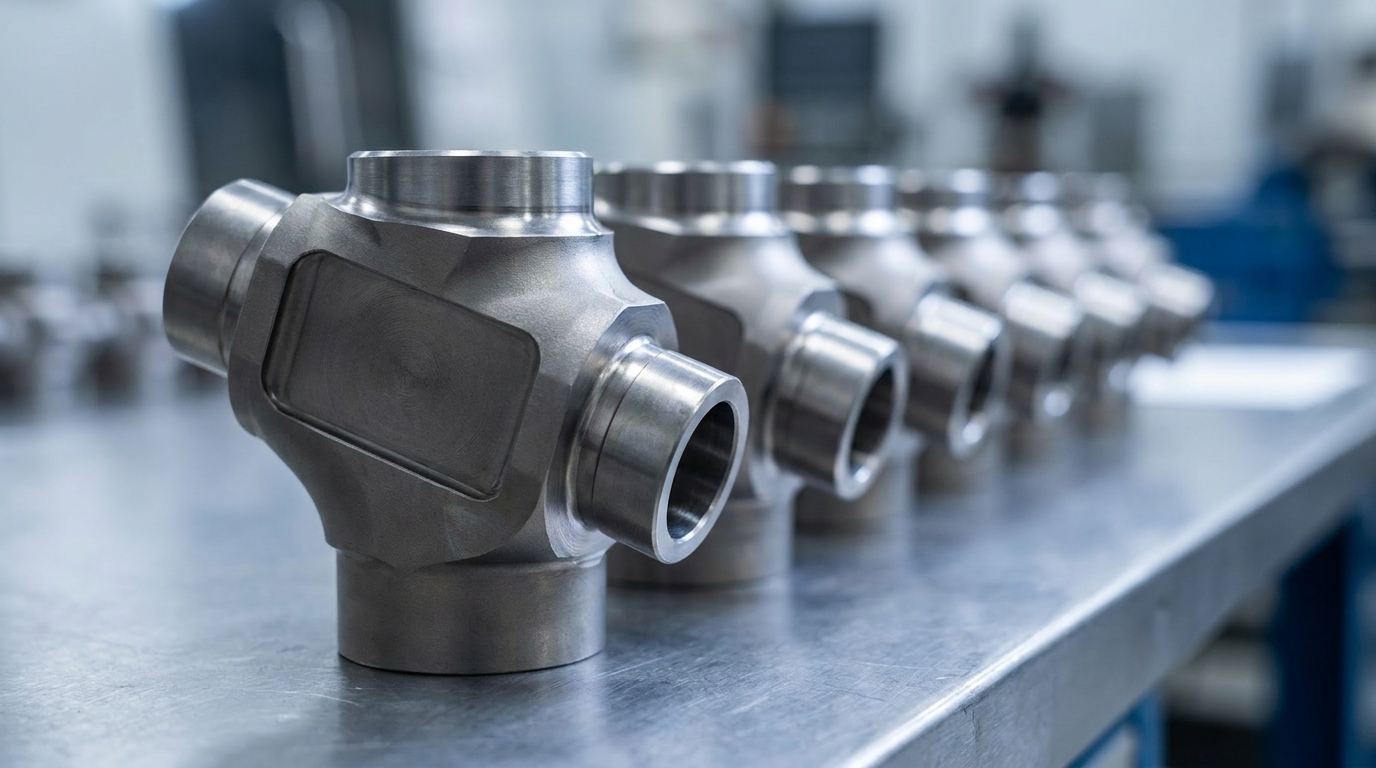
Precision Advanced Manufacturing delivers comprehensive manufacturing solutions tailored for defense applications. The company’s multi-axis machining capabilities handle complex geometries that require tight tolerances, and integrated fabrication and welding services support structural assemblies. Advanced finishing processes such as anodizing, passivation and laser marking help components meet military requirements for durability and identification.
A scalable production platform supports both prototype development and sustained manufacturing, which enables smooth program transitions without supplier changes. Dedicated engineering support improves designs for manufacturability while maintaining alignment with defense and customer standards.
Partner with a premier ITAR-compliant military CNC provider in the United States. Start your next defense program with a quote from Precision Advanced Manufacturing.
Frequently Asked Questions
What certifications does an ITAR CNC shop need for defense work?
ITAR-compliant CNC shops require DDTC registration with the Department of State, AS9100D certification for aerospace quality management and ISO 9001 for general quality systems. Additional requirements often include CMMC Level 2 certification for handling Controlled Unclassified Information and NIST SP 800-171 compliance for cybersecurity. These certifications confirm that shops can manage defense technical data securely while maintaining the quality standards required for military applications.
Can ITAR shops handle both prototypes and full production runs?
Qualified ITAR-compliant shops such as Precision Advanced Manufacturing scale from prototype development through high-volume production. This capability eliminates supplier changes during program transitions and reduces compliance risk. Quality consistency continues across phases as shops demonstrate capacity, multi-shift operations and scalable processes that preserve precision and security requirements.
How can teams confirm a CNC shop’s ITAR compliance status?
Procurement managers verify ITAR compliance through documented checks. Teams request the shop’s DDTC registration number and confirm it through official channels. Technology Control Plan documentation receives review alongside facility security measures during site visits. Employee screening procedures, evidence of annual registration renewals and compliance training records provide additional confirmation that surpasses verbal claims.
What materials are commonly used for military CNC parts?
Military CNC applications frequently use high-strength aluminum alloys, titanium alloys, stainless steel grades and specialized materials such as Inconel for extreme temperature environments. Material selection depends on performance requirements that include weight, strength, corrosion resistance and operating conditions. ITAR-compliant shops maintain complete material traceability and certifications for all defense applications.
Is ITAR restricted to US citizens only?
ITAR technical data and defense articles are restricted to “U.S. persons,” which includes U.S. citizens, permanent residents, protected persons and U.S.-incorporated entities. Foreign nationals cannot access ITAR-controlled information or participate in manufacturing processes involving defense articles without specific export licenses. This restriction applies to employees, visitors and subcontractors involved in ITAR-controlled work.
Conclusion and Next Steps for Defense CNC Sourcing
Selecting an ITAR-compliant military CNC machine shop in the United States requires careful evaluation of certifications, capabilities and operational discipline. Precision Advanced Manufacturing stands as a leading choice through proven compliance, integrated manufacturing capabilities and a consistent focus on defense program success.
This comprehensive approach reduces the risks associated with supplier fragmentation while supporting complete regulatory compliance. From prototype development through sustained production, Precision Advanced Manufacturing delivers the precision, reliability and security that defense programs require.
Partner with Precision Advanced Manufacturing today and experience the confidence that comes from working with a premier ITAR-compliant defense manufacturing partner in the United States.